

Signs of Faulty Wiring in an Older Dallas Home
TrustZe is a free matching broker: we screen contractors and connect you for your zip. We do not perform this trade work ourselves.
Dallas has beautiful pre-war bungalows, 1960s ranch homes, and decades of additions that may never met modern code. Signs of faulty wiring in a home often start small: a flickering lamp, a breaker that trips when the microwave runs, or an outlet that feels warm. Ignoring those clues risks fire, shock, and failed inspections at sale. This guide explains what homeowners should watch for, which issues demand immediate shutdown, and when to call a licensed electrician instead of flipping the breaker again.
Frequent Breaker Trips and Blown Fuses
Modern breakers protect wires from overheating. If the same circuit trips repeatedly, something is overloaded or shorting. Resetting without diagnosis is like silencing a smoke alarm.
Kitchens and bathrooms in older Dallas homes often run on undersized circuits. Window AC units on shared lines are common culprits. A licensed electrician maps loads and may recommend dedicated circuits or panel upgrades.
Flickering or Dimming Lights
Lights that dim when the HVAC starts may indicate loose connections or a failing panel. Random flicker without load changes points to arcing somewhere in the circuit.
A skeptical tip: if an unlicensed handyman offers to jump wires in the attic without a permit, decline. Arc faults cause house fires that start in walls.
Warm, Discolored, or Buzzing Outlets and Switches
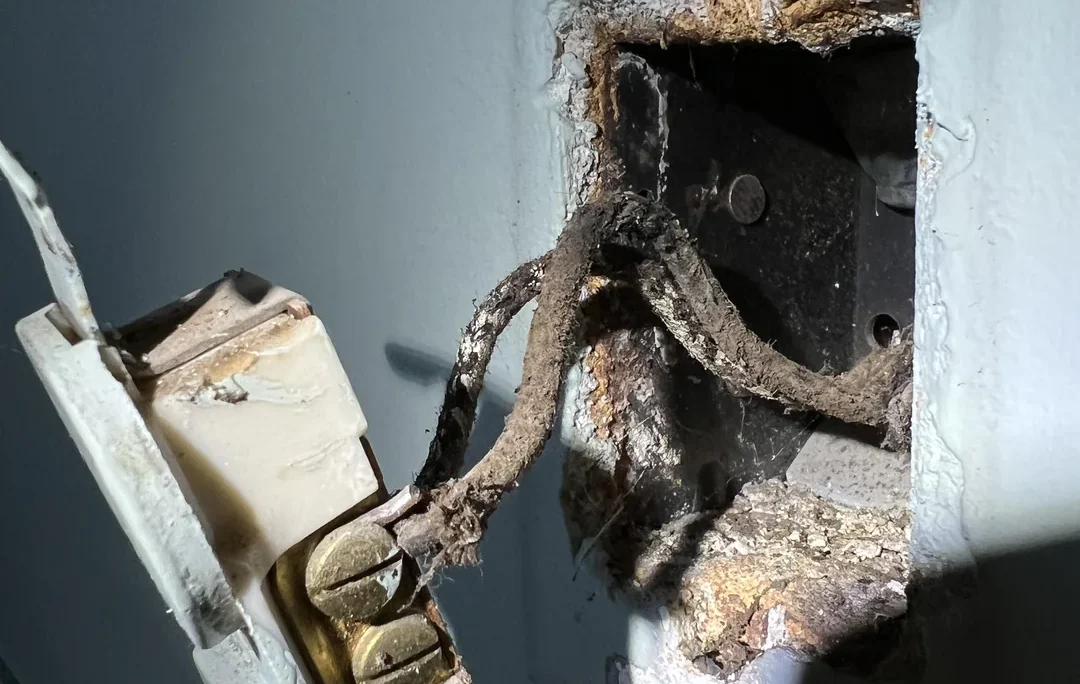
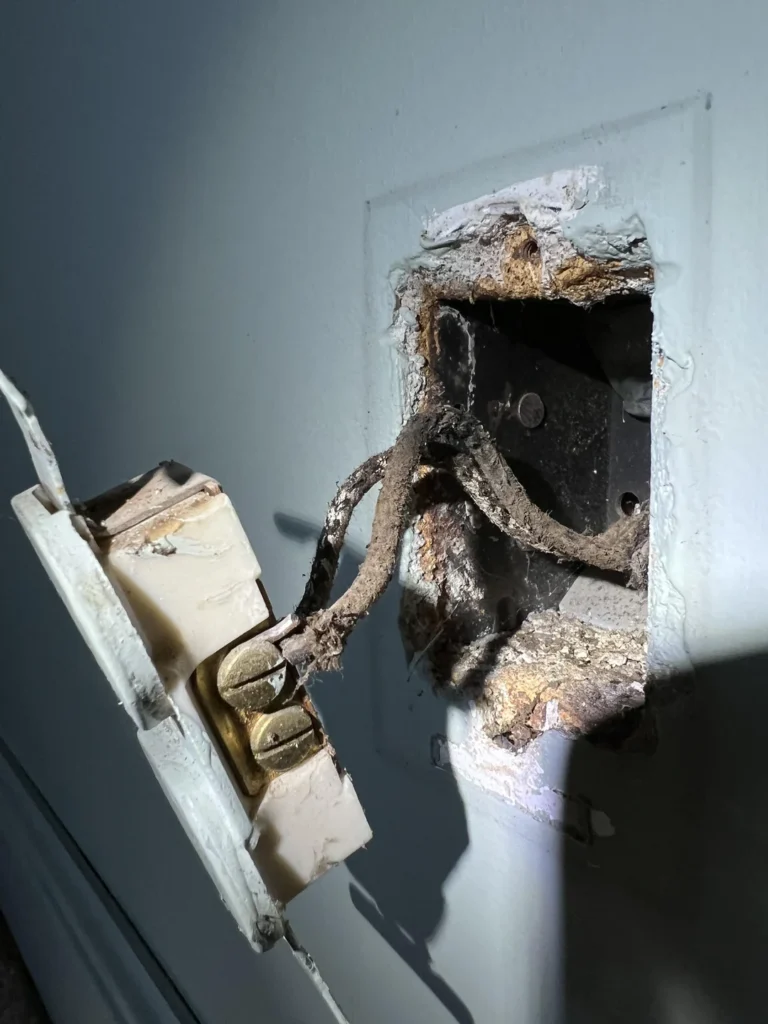
Touch plates should stay cool. Warm outlets, brown marks, or buzzing sounds mean resistance and heat building at connections. Stop using that device and shut the breaker off.
Two-prong outlets without grounding are still common in older Lakewood and Oak Cliff homes. Grounding protects you and modern electronics. Typical ranges in 2026 for outlet replacement and grounding run $150 to $300 per location depending on access.
Burning Smell, Scorched Plates, or Sparking
Any burning odor near a panel, outlet, or appliance cord is an emergency. Turn off power at the breaker and call an electrician. Sparking when plugging in indicates damaged receptacles or cords.
Do not wait for business hours if smell persists. Fire departments respond to electrical odors for good reason.
Aluminum Wiring, Knob-and-Tube, and Unpermitted Additions
Some Dallas neighborhoods still have aluminum branch wiring from the 1960s and 70s. It requires proper terminations and periodic inspection. Knob-and-tube in very old homes may be brittle and uninsurable.
Garage conversions and patio enclosures sometimes tap existing circuits without permits. If your home has mystery switches or extension cords running through crawl spaces, get a safety audit.
When to Upgrade Your Electrical Panel
100-amp panels struggle with modern AC, EV chargers, and induction ranges. Signs you need an upgrade include corrosion, double-tapped breakers, and humming from the panel.
Typical ranges in 2026 for panel upgrades in Dallas run $2,500 to $4,500 depending on amperage and utility coordination. Plan ahead if you are adding solar or a hot tub.
Federal Pacific and Zinsco Panels Still Found in DFW
Many 1960s–1980s Dallas homes still have panels insurers and electricians flag. Signs of faulty wiring in a home with these brands include breakers that never trip when they should, or scorch marks at bus bars. Panel evaluation is not DIY.
Knob-and-tube hidden under insulation in attic retrofits is another surprise during remodels. Map circuits before blowing insulation into older attics.
Dallas Homeowner Takeaway
Planning ahead for signs of faulty wiring in a home saves money and stress in North Texas. Compare multiple written quotes, verify credentials, and keep photos of existing conditions before work starts. Dallas weather moves fast from mild to extreme—delays on repairs usually cost more than acting while damage is still limited.
Getting Multiple Quotes in the Dallas Market
When comparing bids related to signs of faulty wiring in a home, align scope before price. Ask each contractor what is excluded—permits, haul-off, drywall repair, and weekend labor often hide in the fine print. Written estimates with line items beat verbal ballparks every time in North Texas.
Timing and Seasonal Demand in DFW
Dallas trades get busy before summer heat and after major hail events. Booking inspections early gives you scheduling flexibility and reduces premium emergency rates. If your issue is not actively leaking or unsafe, you can still start vetting pros now rather than waiting for a crisis.
Documentation Homeowners Regret Skipping
Photograph conditions before work begins. Save license numbers, insurance certificates, and signed contracts in one folder. If something fails six months later, documentation separates a warranty claim from a he-said-she-said dispute.
Questions to Ask on the Walkthrough
Before signing any contract tied to signs of faulty wiring in a home, ask who pulls permits, who cleans up daily, and what happens if hidden damage appears mid-project. Dallas homes on slab foundations and aging infrastructure often hide surprises once work starts.
Why Verified Pros Matter in Dallas
License verification and insurance confirmation take minutes and prevent months of dispute. Use official state lookup tools and compare at least two written scopes. The lowest bid rarely includes the same assumptions as a mid-range bid that documents materials and labor clearly.
Panels, aluminum branch circuits, and when to stop DIY
Warm switch plates, breakers that will not reset, burning odors, and flickering under load are stop-and-call signs — not YouTube weekends. Older Dallas stock can hide outdated panels, double-taps, and aluminum branch circuits that need listed repair methods, not twist-on guesses.
Verify credentials with how to verify an electrician’s license in Texas when that guide is live, and always read how TrustZe screens contractors. Match via the electrical hub. TrustZe does not pull permits or open panels.
Insurance, resale, and panel upgrades
Some insurers flag certain aged panels; buyers’ inspectors flag open grounds, reverse polarity, and overcrowded panels. A licensed electrician can prioritize life-safety fixes vs convenience upgrades. Get a written load calculation before adding EV chargers or large HVAC equipment to a marginal service.
Do not reset a breaker that trips repeatedly under the same load — that is a symptom, not a schedule annoyance. Request a quote for a screened match when you want licensed help without cold-calling billboards.
Rentals, flips, and inherited DIY work
Inherited homes and flips sometimes hide unpermitted additions, open junctions in attics, and undersized services feeding new HVAC. A licensed electrician’s written deficiency list is more useful than a verbal “it should be fine.” Prioritize smoke/CO devices, grounding, and overloaded panels before cosmetic fixture upgrades.
For investor properties, ask for invoices that will survive a future buyer’s inspection. Match through Dallas electrical when you want screened help — TrustZe does not rewire homes. If a breaker trips under the same load twice, treat it as a fault, not a reset habit.
What to Do Next
TrustZe is a free matching broker — we screen contractors and connect you for your zip; we do not perform the trade work or mark up invoices. Start at Dallas electrical, review how TrustZe vetting works, then request a quote when you are ready. Browse service areas if you are comparing cities.
Related guides
Electrical cluster: Dallas electrical hub · how we vet · hiring questions · license verification guide · request a quote. TrustZe is a matching broker — you hire and pay the contractor directly.
Related reading: verify electrician license.
Related reading
Related: Dallas electrical hub · how we vet · editorial standards · service areas · request a quote.
FAQs Dallas homeowners ask
What wiring red flags show up in older Dallas homes?
Warm switch plates, frequent breaker trips, burning smells, two-prong ungrounded outlets in wet areas, aluminum branch concerns, and panels that feel outdated for modern loads (EV, HVAC upgrades).
Is a flickering light always dangerous?
Not always — bulbs and loose fixtures happen — but flicker plus heat, trips, or multiple rooms points to diagnosis, not more LED purchases.
Can I DIY a panel upgrade?
No. Panel and service work belong to licensed electricians with permits. Utility disconnect coordination is not a weekend project.
When should I call immediately?
Burning odor, sparking outlets, breakers that will not reset, or scorched devices. Cut power at the breaker if safe and call a screened electrician.
How does TrustZe help with electrical?
We match screened electricians after vetting. We do not pull wire or punch panels.
Match with a vetted contractor
Use the electrical hub or request a quote. TrustZe = matching broker.
- All Posts
- Home Tips

TrustZe is a free matching broker: we screen contractors and connect you for your zip. We do not perform this...
Most Recent Posts
Categories
Tags
Frequent breaker trips on the same circuit indicate overload or a short—resetting without diagnosis is like silencing a smoke alarm. Lights that dim when HVAC starts may indicate loose connections or a failing panel; random flicker without load changes points to arcing in the circuit. Warm, discolored, or buzzing outlets and switches mean resistance and heat building at connections—stop using those devices immediately and shut the breaker off. Burning odors near panels, outlets, or appliance cords are emergencies requiring immediate electrician response; sparking when plugging in indicates damaged receptacles or cords. Two-prong outlets without grounding are still common in older neighborhoods and leave you and modern electronics vulnerable—grounding replacement typically runs $150 to $300 per location in 2026.
Some Dallas neighborhoods still have aluminum branch wiring from the 1960s and 70s, which requires proper terminations and periodic inspection. Knob-and-tube in very old homes may be brittle, uninsurable, and prone to fire. Federal Pacific and Zinsco panels from the 1960s–1980s are flagged by insurers and electricians—signs include breakers that never trip when they should or scorch marks at bus bars. Garage conversions and patio enclosures sometimes tap existing circuits without permits, creating safety hazards. If your home has mystery switches or extension cords running through crawl spaces, get a safety audit before problems compound.
100-amp panels struggle with modern AC, EV chargers, and induction ranges. Signs you need an upgrade include corrosion, double-tapped breakers, and humming from the panel. Panel upgrades in Dallas typically run $2,500 to $4,500 in 2026 depending on amperage and utility coordination. Plan ahead if you're adding solar, a hot tub, or major appliances. Kitchens and bathrooms in older Dallas homes often run on undersized circuits, making dedicated circuits or panel upgrades necessary. Window AC units on shared lines are common culprits of repeated breaker trips.
Never ignore electrical warning signs—they don't improve with patience. Photograph suspect devices and shut off affected circuits immediately. Schedule inspection with a licensed Dallas electrician rather than attempting DIY fixes. Do not wait for business hours if burning smell persists near panels or outlets; fire departments respond to electrical odors for good reason. For panel work or whole-home evaluation, hire a Dallas electrical contractor who pulls permits and leaves documentation for insurers and future buyers. Verify credentials through TDLR before work begins and get written estimates with line items showing scope clearly.
