

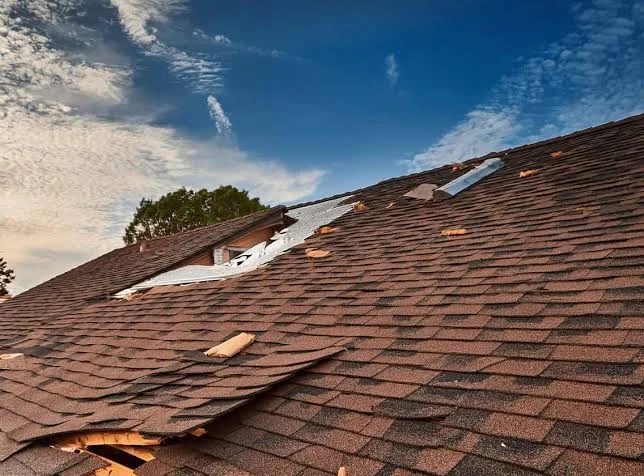
7 Signs You Need a New Roof Before Storm Season
TrustZe is a free matching broker: we screen contractors and connect you for your zip. We do not perform this trade work ourselves.
Dallas storm season does not send a calendar invite. March through June brings hail, wind, and sudden downpours that expose every weak spot on your roof. Knowing the signs you need a new roof before those storms arrive can save you from interior water damage, mold, and emergency tarp bills. Some warning signs are obvious from the curb. Others only show up in the attic or after a slow leak stains your ceiling. This guide walks through seven reliable indicators that your roof is past its safe service life, plus what to do if you spot more than one.
1. Shingles Curling, Cracking, or Missing Granules
Asphalt shingles protect your home with a layer of granules that block UV rays and shed water. When you see bare patches, balding spots, or granules piling up in gutters, the roof is aging out. Curling edges and cracked tabs mean shingles no longer seal properly against wind.
Walk your driveway after a moderate storm. If neighbors have intact roofs but your yard is littered with granules, that is a sign you need a new roof sooner rather than later. Dallas sun is brutal even without hail, and heat accelerates shingle breakdown on south-facing slopes.
2. Daylight Visible Through the Roof Deck
Head into the attic on a sunny afternoon and look up. Pinholes of daylight mean gaps in the decking or failed underlayment. You should not see sky. If you do, water can follow the same path.
While you are up there, check for dark stains, damp insulation, or a musty smell. Those point to active or recent leaks. A skeptical tip: a roofer who only looks at shingles from a ladder and skips the attic is not giving you a full picture. Insist on an interior inspection.
3. Sagging Spots or Soft Decking
A healthy roof line looks straight from the street. Sagging ridges, dips near valleys, or spongy feel underfoot during an attic walk suggest moisture-damaged decking. That is structural, not cosmetic.
Soft decking often follows years of small leaks that never triggered a ceiling stain. By the time you notice sagging, you may need a full tear-off, not a patch. Typical ranges in 2026 for decking repairs run $75 to $150 per sheet in Dallas, and widespread rot pushes you toward full replacement.
4. Repeated Leaks or Ceiling Stains After Rain
One leak might be flashing. Multiple stains in different rooms after the same storm usually mean systemic failure. Tar patches and bucket duty are temporary fixes. They do not restore wind rating or hail resistance.
Insurance adjusters look at maintenance history. If you filed three leak claims in two years, they may question whether repair is reasonable. Document each leak with photos and dates before you call anyone.
5. Roof Age Past Manufacturer Life Expectancy
Most asphalt roofs in Dallas last 20 to 25 years if installed well. If your home still has original three-tab shingles from the early 2000s, you are on borrowed time. Even without visible damage, adhesive strips lose hold and wind uplift risk rises.
Check your closing documents or pull a permit history if you are unsure of install date. A neighbor’s roof age is not yours. Microclimates and ventilation differ block to block.
6. Hail Hits and Wind Damage From Prior Seasons
Dallas homeowners know the sound of hail on windows. Bruised shingles, circular impact marks, and creased ridge caps are signs you need a new roof after major events, even if nothing is leaking yet. Latent damage weakens the next storm’s outcome.
If an inspector finds widespread hail hits on slopes and soft metal vents, repair patches will not restore uniform protection. Compare a professional assessment to your insurance policy before storm season peaks.
7. Rising Energy Bills and Poor Attic Ventilation
Heat trapped under a failing roof deck shows up on summer electric bills. Cracked shingles plus inadequate ridge venting cook attic air above 140 degrees. Your AC works harder for the same comfort.
Ventilation upgrades often pair with replacement. Ask about ridge vent, soffit balance, and whether your quote includes correcting intake issues. A new roof without airflow fixes leaves money on the table.
Pre-Storm Inspection Checklist for Dallas Homeowners
Walk your property before March and note lifted shingle tabs, exposed nail heads, and rusted flashing. Clear gutters so overflow does not back up under drip edge. Trim branches that scrape shingles in wind.
Photograph your roof from multiple angles while it is dry. After the next storm, compare for new missing tabs or dented vents. That before-and-after file helps insurance and contractors agree on timing.
Dallas Homeowner Takeaway
Planning ahead for signs you need a new roof saves money and stress in North Texas. Compare multiple written quotes, verify credentials, and keep photos of existing conditions before work starts. Dallas weather moves fast from mild to extreme—delays on repairs usually cost more than acting while damage is still limited.
Getting Multiple Quotes in the Dallas Market
When comparing bids related to signs you need a new roof, align scope before price. Ask each contractor what is excluded—permits, haul-off, drywall repair, and weekend labor often hide in the fine print. Written estimates with line items beat verbal ballparks every time in North Texas.
Timing and Seasonal Demand in DFW
Dallas trades get busy before summer heat and after major hail events. Booking inspections early gives you scheduling flexibility and reduces premium emergency rates. If your issue is not actively leaking or unsafe, you can still start vetting pros now rather than waiting for a crisis.
Documentation Homeowners Regret Skipping
Photograph conditions before work begins. Save license numbers, insurance certificates, and signed contracts in one folder. If something fails six months later, documentation separates a warranty claim from a he-said-she-said dispute.
What to do the week before peak storm season
Walk the curb view for missing tabs, lifted edges, and rusted drip edge. Clear gutters so overflow does not back under the roof edge. Trim branches that scour shingles in wind. If you already see attic daylight or repeated ceiling stains, stop DIY patching and schedule an inspection.
Use the 2026 Dallas roof replacement cost guide only after an inspection separates repair from tear-off. TrustZe is a matching broker: we screen roofers; we do not climb your roof. See how we vet and start at the roofing hub when you want a screened crew.
Repair vs replace under insurance pressure
Cosmetic hail marks on a young roof may not clear a percentage deductible. Functional loss — open decking paths, failed seals, widespread bruising — is a different conversation. Get your own documentation before signing with a door-knocker who appeared the morning after a cell moved through.
What to Do Next
TrustZe is a free matching broker — we screen contractors and connect you for your zip; we do not perform the trade work or mark up invoices. Start at Dallas roofing, review how TrustZe vetting works, then request a quote when you are ready. Browse service areas if you are comparing cities.
Related guides
Roofing cluster: Dallas roofing hub · 2026 roof cost ranges · gutter cost guide · how we vet · request a quote. TrustZe is a matching broker — you hire and pay the contractor directly.
Related reading: 2026 roof cost guide.
Related reading
Pair with: 2026 Dallas roof cost guide · roofing hub · service areas · how we vet · request a quote.
FAQs Dallas homeowners ask
What storm damage means I need a new roof, not a patch?
Widespread granule loss, cracked or missing shingles across slopes, bruised mats after hail, or repeated leaks after “spot fixes” usually mean a full tear-off conversation. Isolated missing tabs after a single wind event can still be repairable on a young roof.
Are door-knocker storm chasers trustworthy?
Be cautious of high-pressure same-day “we deal with insurance” pitches and blank contracts. Prefer documented local crews, written scopes, and screened matches. TrustZe is a broker, not a storm crew.
Can I see hail damage from the ground?
Sometimes bruise marks and missing tabs are visible; soft mat damage often needs a roof inspection. Do not walk a steep or wet roof yourself — hire a pro and photograph soft metals (vents, AC fins) for claim context.
How soon after a storm should I call?
As soon as you have safe access and active leaks. Tarping and interior mitigation limit secondary damage. Backlogs spike after major hail swaths — early documentation still helps your claim even if install waits.
Where do cost ranges fit once replacement is certain?
Use the 2026 cost guide to sanity-check bids, then request a match when you want a screened roofer.
Match with a vetted contractor
Start at Dallas roofing or request a quote. TrustZe matches vetted contractors; we do not install roofs.
- All Posts
- Home Tips
TrustZe is a free matching broker: we screen contractors and connect you for your zip. We do not perform this...
Most Recent Posts

Categories
Tags
If your roof has multiple leaks, widespread shingle damage, sagging areas, or is over 20–25 years old, replacement is often more cost-effective than repeated repairs. A professional inspection can determine whether repairs are still a safe option.
It's recommended to have your roof professionally inspected at least once a year and after any major hailstorm or severe wind event. Regular inspections can identify small problems before they become expensive repairs.
Yes. Hail can bruise shingles, loosen granules, and weaken the roof's protective layer without causing immediate leaks. Left untreated, this hidden damage can lead to water intrusion during future storms.
The best time is before peak storm season, typically in late winter or early spring. Replacing your roof before severe weather reduces the risk of emergency damage, scheduling delays, and higher repair costs after major storms.
